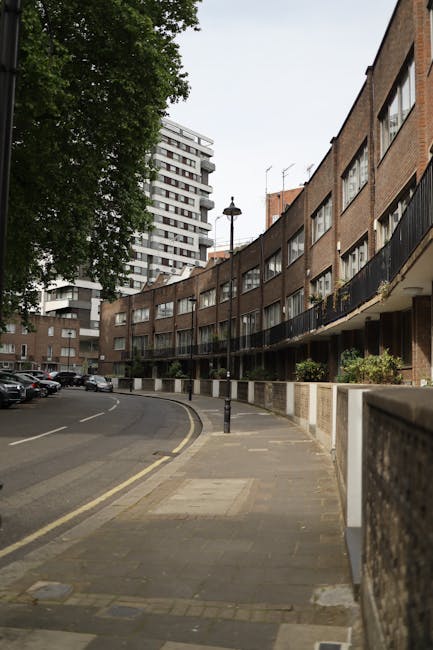
Heygate Estate Removals to Elephant Park: A Practical Guide for a Smoother Move
Moving from Heygate Estate to Elephant Park is not just a change of address. It is a shift from one part of Elephant & Castle's evolving landscape to another, and that can bring a few moving-day quirks with it. Lifts, access routes, parking pressure, apartment rules, tight time slots, and the usual "where did we put the kettle?" chaos all play a part. If you are planning Heygate Estate removals to Elephant Park, this guide walks you through the process in plain English, with the kind of detail that actually helps on the day.
Whether you are moving a compact flat, a family home, or a work setup, the aim is the same: keep the move organised, reduce stress, and avoid the little errors that turn into big delays. We will cover how the move works, what makes it different, where the risks tend to sit, and which services make sense for different situations. Simple enough. But worth doing properly.
Why Heygate Estate Removals to Elephant Park Matters
This move matters because it is local, but not necessarily simple. On paper, Heygate Estate and Elephant Park are close by. In real life, local moves can still involve coordination, building access rules, and the sort of loading arrangements that make you check the clock twice. A short journey does not mean a small job.
Elephant Park is a modern residential environment, and many properties there come with managed access, concierge procedures, lift bookings, or move-in time windows. That is great for keeping the estate orderly, but it means removals need to be planned around the building, not just the calendar. If you have ever tried to reverse a van into a busy London street at 8:30 in the morning, you will know exactly why this matters.
There is also the emotional side. Moves in Elephant & Castle often happen during big life transitions: upsizing, downsizing, first-time renting, moving in with a partner, or relocating closer to work. You do not want the day to feel like a half-finished puzzle. The better the plan, the calmer the whole thing feels.
Expert summary: The most successful local moves are rarely the fastest ones. They are the ones that are prepared properly, with access details, packing, timings, and building rules confirmed before anyone lifts a box.
If you are comparing providers, it helps to look at the wider service picture too. Some customers only need a straightforward van and a couple of movers, while others need full packing support, storage, or a larger team. Browsing pages such as removal services, home moves, and flat removals can help you match the move type to the right level of support.
How Heygate Estate Removals to Elephant Park Works
A move like this usually starts with a survey or a quick inventory. That may be done by phone, video, or through a detailed list of rooms and items. The moving team then works out the vehicle size, crew size, parking access, and whether any special handling is needed for fragile, bulky, or awkward pieces. Nothing fancy. Just practical planning.
For a move between nearby developments, the day often runs in a steady sequence:
- Arrival and access check at the pick-up property.
- Protection of floors, doorways, and high-touch surfaces where needed.
- Loading items in a planned order, usually starting with the heaviest and most space-efficient pieces.
- Safe transport to Elephant Park with care taken over internal roads and parking arrangements.
- Unloading, placement, and reassembly if that is part of the service.
That sounds straightforward, but the details make all the difference. If your building has a booked lift slot, for example, the team needs to arrive on time and ready. If the van cannot wait outside for long, the loading sequence must be tidy and disciplined. And if you are moving from a higher floor, stair carries need proper planning. Truth be told, the "little" things are what keep the day moving.
Some customers want the move handled end to end. Others only need help with transport or loading. In those cases, options like man and van, man with a van, or man with van can be a practical fit, especially for smaller flats or limited furniture loads.
And if there is a gap between move-out and move-in dates, storage can be a useful pressure valve. Not glamorous, but very effective.
Key Benefits and Practical Advantages
There are several reasons people choose organised removals instead of trying to improvise on the day. The first is obvious: less stress. The second is just as important: fewer damaged items. When furniture is dismantled properly, wrapped correctly, and loaded with intention, it tends to arrive in better shape. Amazing, really.
Here are the biggest practical advantages:
- Short local travel time: less time on the road means fewer chances for delays, traffic issues, or handling risks.
- Better scheduling control: nearby moves are easier to coordinate with lift bookings, access windows, and tenancy handovers.
- Lower physical strain: experienced movers reduce the risk of injury from heavy lifting or awkward stair carries.
- Cleaner packing flow: boxes, soft furnishings, and disassembled furniture can be loaded in a more organised sequence.
- More predictable finish times: a well-run local move usually has a tighter, more manageable timeline.
There is also a psychological benefit. People sleep better before a move when they know the main logistics are sorted. That sounds small, but on moving day, a clear head is worth a lot. You can focus on the keys, the meter readings, the welcome pack, the random charger you definitely packed somewhere. All the ordinary life stuff.
For customers moving household items, it can also make sense to combine removal support with packing and boxes or packing and unpacking services. Those extras are not always necessary, but when time is tight, they can remove a huge amount of pressure.
Who This Is For and When It Makes Sense
This type of move is ideal for residents leaving Heygate Estate and relocating to Elephant Park, but it also suits people moving within the wider Elephant & Castle area. If you are shifting from one nearby apartment to another, moving in after a refurbishment, or simply reducing the amount of furniture you own, a focused local removal service can be exactly the right fit.
It makes sense particularly for:
- Tenants moving between managed apartment buildings.
- Owners relocating into a new-build or modern flat.
- Students or young professionals with compact moves and tight schedules.
- Families with a mix of furniture, boxes, and delicate items.
- People who need same-day coordination because keys, access, or check-out timings are fixed.
It is also useful if your belongings are not especially many, but are awkward. That one sofa that never fits through a doorway. The shelving unit that looked simpler in the shop. The plant you are determined not to kill. If that sounds familiar, a skilled team can save a lot of swearing under your breath.
For smaller or faster jobs, it is worth comparing same-day removals and removal van options. For larger households, house removals or even house removalists may be more appropriate.
Step-by-Step Guidance
Here is the clearest way to approach Heygate Estate removals to Elephant Park without overcomplicating it.
1. Confirm the move details early
Make a simple list of what is moving, where it is going, and when you can access both buildings. Include floor level, lift use, parking restrictions, and any awkward items. You do not need a novel. You do need accuracy.
2. Decide how much help you actually need
Some moves only need transport. Others need partial packing, dismantling, careful handling, or storage. If you have a piano, for example, do not leave it until the last minute. A dedicated piano removals service is usually the sensible call. Heavy, delicate, expensive. Not a great DIY combo.
3. Prepare the property at both ends
Clear corridors, label doors if the building management asks you to, and make sure there is a sensible route from the flat to the van. At Elephant Park, that may mean planning around lift bookings and delivery areas. At Heygate Estate, it may mean checking loading access or visitor parking arrangements.
4. Pack with the unload in mind
Label boxes by room and priority. Put essentials together in one easy-to-reach box. Keep documents, keys, chargers, medication, and a kettle if you are the kind of person who needs tea within the first hour. No judgement.
5. Use the right vehicle and crew size
A small load may fit a van and two movers. A larger flat might need a bigger vehicle, a larger team, or a more carefully phased move. If the job includes commercial stock or office contents, explore commercial moves or office removals rather than forcing a domestic setup to do the wrong job.
6. Check the final walk-through
Before the van leaves, walk through both properties if you can. Open cupboards, check sockets, look behind doors, and make sure nothing has been left behind. It is astonishing how often one small item gets forgotten. Usually the thing you need most later. Of course.
Expert Tips for Better Results
After plenty of local moves, a few habits stand out. They are small, but they help.
- Book around building rules, not just your own availability. If a lift slot is 11:00 to 12:00, the move needs to be built around that.
- Use clear labels. "Kitchen - fragile - open first" is better than "misc." every time.
- Keep a small essentials bag with you. It should travel separately from the main load.
- Take photos of cable setups. Your future self will thank you when the TV box, router, and console all need reconnecting.
- Measure awkward items before moving day. Especially wardrobes, large mirrors, sofa arms, and appliances.
If you are moving from a furnished flat, ask whether any old items need removal before the move. A service such as furniture removals or furniture pick up can be useful if you are clearing space rather than simply transporting everything.
And if your move feels like a scramble, pause. Seriously. A ten-minute reset, a written list, and one correct plan beat a frantic pile of guesswork every time.
Common Mistakes to Avoid
The most common mistakes are rarely dramatic. They are more like tiny oversights that compound. One missing lift booking becomes a delayed van. One unboxed lamp becomes a broken lampshade. One underestimated staircase becomes a very long afternoon.
- Leaving access checks too late. Always confirm the building process in advance.
- Underestimating packing time. Packing always takes longer than people think. Always.
- Not separating essentials. Your first-night items should not vanish into the back of the van.
- Booking the wrong size service. A tiny van for a full flat can become two trips and extra hassle.
- Forgetting insurance and protection questions. Good providers should be able to explain how they handle risk and care.
If you are comparing providers, it is worth looking at their wider operational detail too. Pages like removal companies, removal services, and removals can help you understand the range of support available and what sits behind a standard booking.
One small but important point: do not assume every mover treats a local apartment move the same way. Some do. Some do not. Ask the questions. It saves hassle later.
Tools, Resources and Recommendations
You do not need a mountain of gear, but a few practical tools make local removals much easier.
- Strong boxes: use the right size for the item weight, not just the box space.
- Packing tape and markers: boring, essential, and worth having twice.
- Furniture blankets or wraps: helpful for protecting corners, polished surfaces, and doors.
- Dismantling tools: keep Allen keys, screwdrivers, and fixings in one labelled pouch.
- Tote bags or clear bags: useful for bedding, toiletries, and first-night items.
- Flat furniture dollies or straps: generally for movers, but useful to know about if your service includes handling large items.
For customers who want a fully handled move, packing and unpacking services can be a major time-saver. For people moving into smaller flats or trying to reduce costs, a focused man with a van option may be enough.
There is also the less obvious resource: preparation time. Give yourself an evening to sort drawers, a morning to check access, and a final hour for cleaning. The move then feels organised instead of random. Quite a difference, really.
Law, Compliance, Standards, or Best Practice
For a local residential move, the main concern is usually not legal complexity but good practice. That said, reputable movers should still work in line with sensible UK expectations around safety, insurance, handling, and data protection where customer information is involved. If a company is vague about protection, liability, or procedures, that is worth a raised eyebrow.
Health and safety matters on moving day because lifting, carrying, and loading all come with physical risk. A professional team should think about manual handling, safe stacking, careful routing through communal areas, and protecting both the property and the people in it. That is not overkill. It is basic competence.
Insurance is another practical point. You do not need a lecture on policy types, but you do need to know that your mover has a clear approach to care and responsibility. If you are unsure, check the provider's insurance and safety information and its health and safety policy. Those pages should give you a useful sense of how seriously they take risk.
It is also wise to review terms and conditions before booking. Not because you expect trouble, but because clear expectations make better moves. Payment terms, cancellation rules, and scope of work should be understood up front. Not after the van is parked outside.
On the sustainability side, many customers now care about recycling, reuse, and responsible disposal. If you are clearing unwanted items while moving, a provider with a sensible approach to recycling and sustainability can help reduce waste and keep the move tidy from start to finish.
Options, Methods, or Comparison Table
Choosing the right move method depends on volume, timing, and how much lifting help you want. Here is a simple comparison.
| Option | Best For | Strengths | Watch Outs |
|---|---|---|---|
| Man and van | Smaller flats, lighter loads, short-distance moves | Flexible, practical, often cost-effective | May not suit larger furniture collections |
| Full removal service | Households with multiple rooms and mixed items | More support, better planning, easier on the day | Usually needs more lead time and budgeting |
| Same-day removals | Urgent handovers, delayed access, short notice needs | Fast response, useful when timing is tight | Availability can be limited, especially at busy times |
| Storage-assisted move | Staged moves, renovations, date gaps | Reduces pressure and keeps belongings secure between dates | Requires extra planning and timing coordination |
If you live in a flat and have mostly furniture plus boxes, a standard flat removals setup often makes the most sense. If the job is bigger or more complex, it can be worth stepping up to a fuller service rather than trying to squeeze everything into one run.
Case Study or Real-World Example
Imagine a couple moving from a Heygate Estate flat into a one-bedroom apartment at Elephant Park. They have a sofa, a bed frame, two wardrobes, a dining table, and about thirty boxes. Nothing outrageous, but enough to be awkward if handled casually.
They book a move for mid-morning and confirm both access points in advance. The old flat has a lift, but the new building needs a booked slot and a check-in at reception. The movers arrive with the right van size and enough hands to carry heavier items safely. Furniture is wrapped, the bed frame is dismantled, and the boxes are clearly labelled by room. The move finishes without a second trip. No last-minute scramble, no damaged table legs, no mysterious missing screws rolling under a radiator.
What made the difference? Preparation, mainly. They did not treat it like a generic move. They treated it like a local apartment transfer with specific access rules. That is the real lesson. The journey may be short, but the organisation still matters.
In a slightly different example, a tenant moving to Elephant Park with a gap of three days between tenancies might store a few items temporarily and move essentials first. That kind of staged approach can be much calmer, especially if life is already busy. There is something lovely, in a very unglamorous way, about knowing the sofa is safe somewhere while you sort the rest out.
Practical Checklist
Use this checklist a few days before the move. It keeps the day sharper and cuts down on those annoying little surprises.
- Confirm move-out and move-in dates.
- Check lift access, parking, and any booking requirements at both buildings.
- Measure large furniture and doorways if anything looks tight.
- Book the correct removal option for the size of your move.
- Label boxes by room and priority.
- Separate valuables, documents, chargers, and essentials.
- Protect fragile items and dismantle furniture where needed.
- Review insurance, safety, and booking terms.
- Arrange storage if there is a gap between properties.
- Do a final walk-through before the van leaves.
A short checklist done properly is better than a long one done in a rush. That is just life, really.
Get a free quote today and see how much you can save.
Conclusion
Heygate Estate removals to Elephant Park are usually local, but they still deserve proper planning. The best moves are the ones where access is checked early, packing is kept tidy, the right service is chosen, and the day flows without frantic guesswork. If you get those basics right, the whole experience becomes far more manageable.
Whether you need a simple van move, a more complete home relocation, or support with packing, storage, or fragile items, the right approach is the one that fits your real situation. Not the fanciest option. Not the cheapest one by default. The right one. That is the bit people remember afterwards.
And when the boxes are in, the kettle is on, and the new place starts to feel like yours, the stress of moving usually fades quicker than expected. One deep breath, one room at a time. You will get there.
Frequently Asked Questions
How long does a move from Heygate Estate to Elephant Park usually take?
It depends on the amount of furniture, lift access, parking, and how much packing is already done. Because the distance is short, the real variable is usually access rather than travel time.
Is a man and van service enough for this move?
For smaller flats or lighter loads, yes, it can be. If you have a lot of furniture, several rooms of boxes, or awkward items, a fuller removals service may be safer and more efficient.
Do I need storage for a local move like this?
Not always. Storage is most useful if your move-out and move-in dates do not line up, if you are refurbishing, or if you want to move in stages rather than all at once.
What should I tell the removal team before moving day?
Tell them about floor levels, lift bookings, parking restrictions, large furniture, fragile items, and any building rules. The more accurate the information, the smoother the job.
Can removals help with packing too?
Yes, many customers prefer that. Packing support can save a lot of time, especially for kitchens, wardrobes, and delicate items. It is one of those jobs that looks quicker than it is.
What if I need to move on short notice?
Short-notice moves are often possible, but availability can be tighter. Same-day removals or a smaller van-based service may be the most realistic options, depending on timing.
Are apartment moves harder than house moves?
Often they are more about access than size. Lifts, corridors, concierge procedures, and parking can make apartment moves feel more technical, even when the volume is modest.
Should I book a full removals service or just transport?
If you are well packed and only need items moved, transport may be enough. If you need dismantling, lifting, wrapping, or coordination across several rooms, a full service is usually better value.
What happens if my new flat is not ready on time?
That is where planning and, if needed, storage come in. A short delay is much easier to manage when you have already discussed fallback options in advance.
How do I protect fragile items during the move?
Use proper packing materials, avoid overfilling boxes, label fragile items clearly, and keep high-value or delicate pieces separate where possible. For especially sensitive items, ask about specialist handling.
Is there anything specific about moving within Elephant & Castle I should know?
Yes: local traffic, loading restrictions, and building access rules can all affect the day. In a busy London setting, timing matters more than people expect. A well-planned local move saves a lot of hassle.
How can I choose a trustworthy removals provider?
Look for clear communication, sensible planning, transparent terms, and a proper approach to insurance and safety. Helpful pages like about us, pricing and quotes, and contact us can also give you a better feel for the service before you book.
What if I only need to move a few items?
Then a smaller setup may be all you need. A removal van or man with a van option can be ideal for lighter moves, single-room relocations, or furniture-only jobs. Sometimes the simplest setup is the smartest one.